The Hidden Dangers of DIY Water Damage Restoration
Water damage can prove to be a challenging task to undertake alone. So, while it is tempting to treat it as a DIY project to save money, there are some hidden dangers and risks you need to know about before attempting to take this approach.
Here are some reasons why DIY water damage restoration isn’t always the best idea and when you must call the professionals…
Lack of Water Mitigation Knowledge and Expertise
When it comes to water damage and mitigation and restoration, you will find it requires specialized knowledge, equipment, and techniques. Professionals are trained to assess the extent of the damage in a home or business, identify potential hazards like mold and mildew growth, and then implement the right restoration and remediation procedures.
DIY attempts without this expertise or the right equipment may lead to an incomplete job, future issues, and more damage.
Hidden Water and Moisture
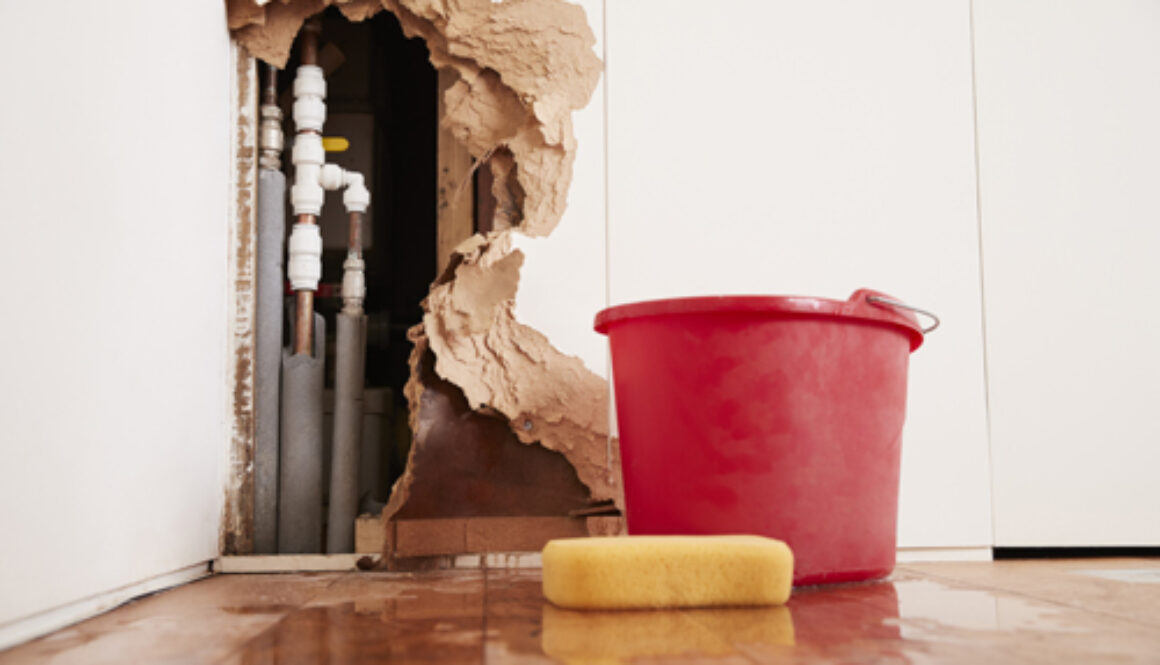
Water can seep into hidden areas you can’t necessarily see, like into the walls, under the flooring, and within the other building materials in the space. If these areas aren’t adequately dried and treated like the others, this hidden moisture and water can cause structural damage and will prove to be the ideal breeding ground for a mold infestation.
 Mold and Mildew Growth
Did you know that mold and mildew can actually start growing 24 to 48 hours after the water damage occurs?
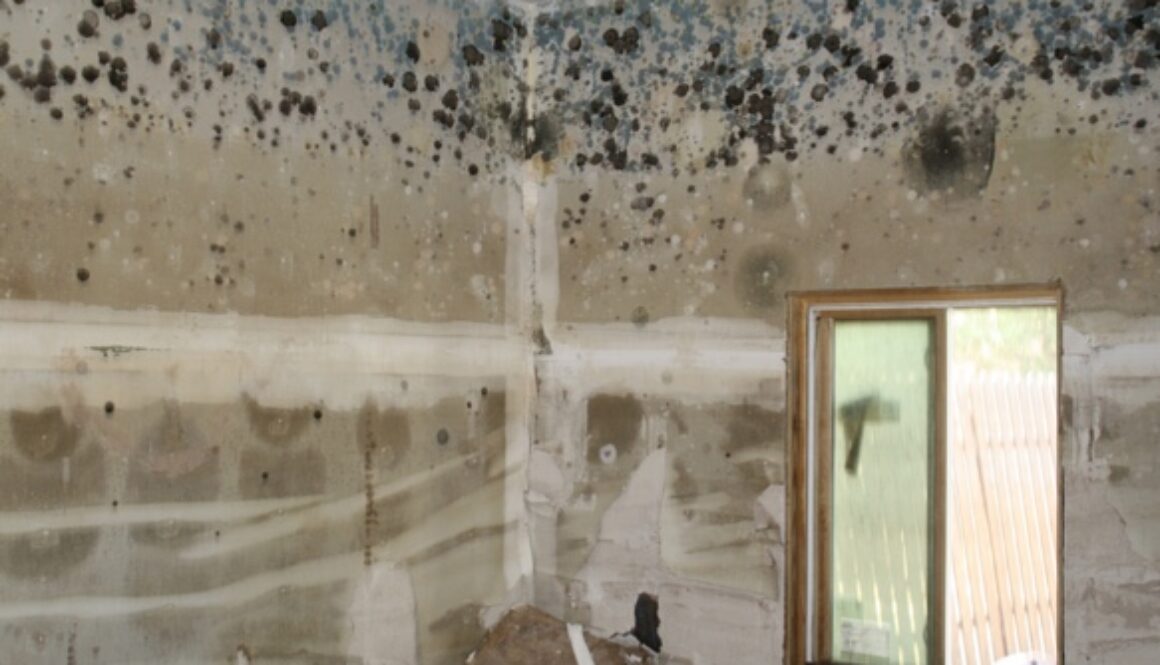
When the area isn’t dried and treated properly, it can lead to a mold infestation and pose a health risk to the occupants of the building, along with additional damage to the property.
Electrical Hazards
Water damage can also significantly impact the electrical systems and appliances in the affected areas. You need to take the right safety precautions and have the right knowledge before working on electrical components that the water has damaged. If not, it can result in fires and electrocution.
Contaminated Water
The water can contain harmful pathogens, chemicals, and toxins if the flooding is due to a sewage spill or the water comes from another contaminated source. Professionals have the gear necessary to protect them from these hazards to continue the job safely and effectively.
The Wrong Equipment
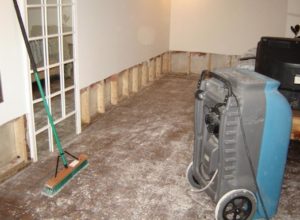
You need specialized drying equipment for proper water damage restoration and remediation, including industrial-strength dehumidifiers. This isn’t equipment the average person has in their garage or shop. DIY methods often lack access to this equipment, leading to prolonged drying times and secondary damage.
Jeopardized Insurance Coverage
When filing a claim for water damage, your insurance coverage may require you to enlist a professional company’s services to ensure the job is done correctly and future damage can be prevented. A DIY restoration may jeopardize your insurance coverage, and they may not accept your claim.
When to Call the Water Damage Cleanup Professionals
If you are faced with significant water damage, contaminated water, mold growth, or electrical issues, or you are unfamiliar with the proper restoration techniques, you should avoid the DIY path and leave the job up to the professionals. Proper and effective water damage restoration is crucial for preventing further damage and avoiding potential health risks.
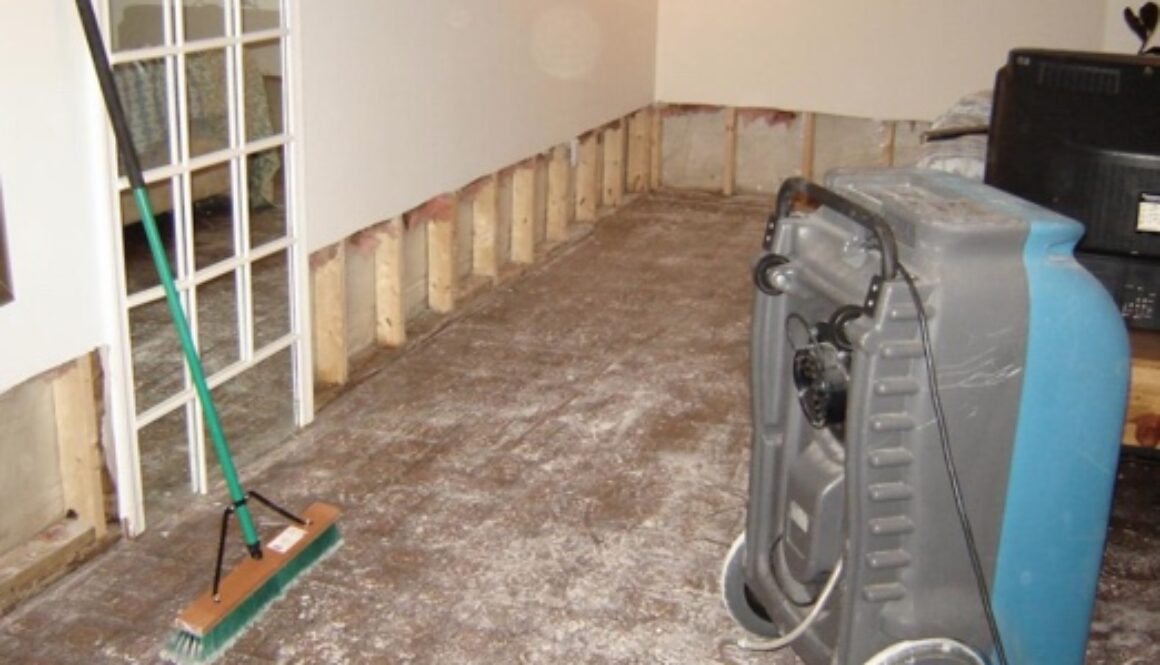
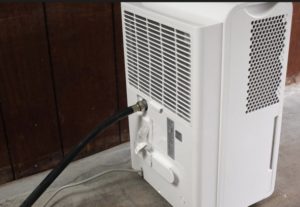 This is a good idea if you live in a wet climate or you are dealing with a basement area. Running dehumidifiers on a daily basis will keep all moisture out for the good of the carpet and the rest of the structure.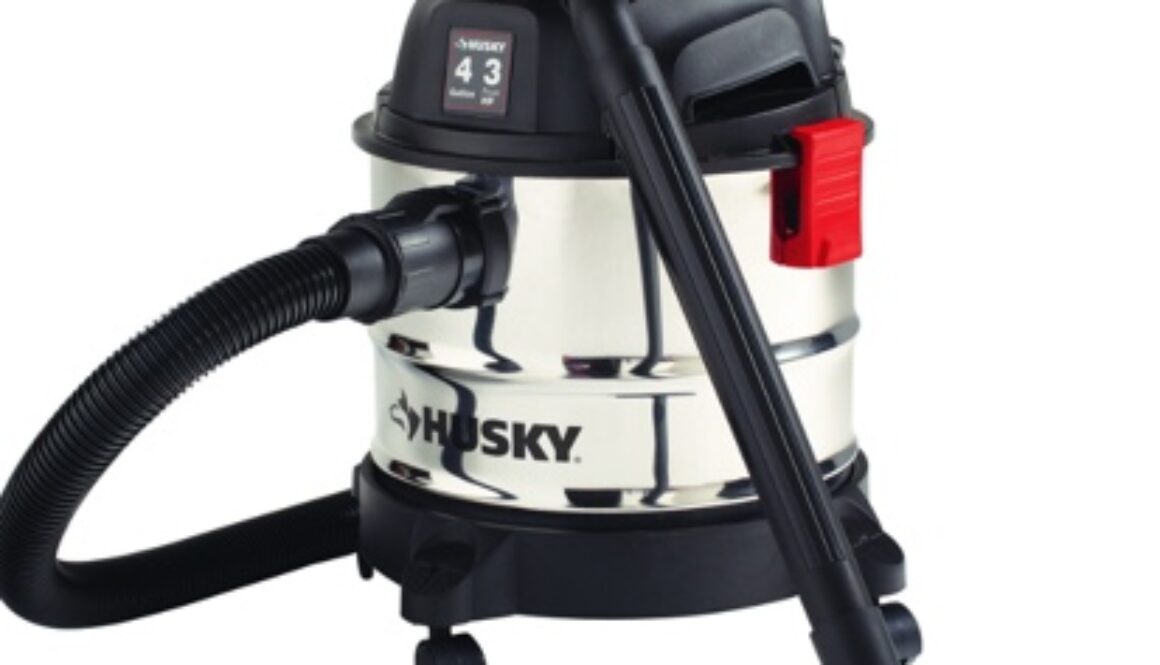
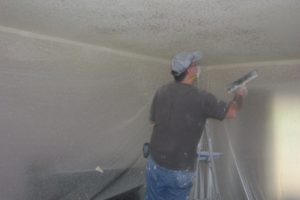 Remove damaged materials – Once you vacuum the area and get rid of the last drops of water near the drywall, check out for damaged materials. If part of the drywall is sagging, cracked or crumbling, it’s best to remove it.
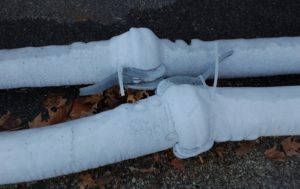 Once the weather starts to get cold, the chances of your pipes freezing goes way up. Frozen pipes can burst and this can lead to huge plumbing bills and
 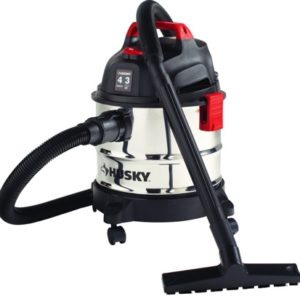 Having a home flood is stressful and there is so much cleaning up that you have to deal with after your house floods. Removing all the water quickly is crucial if you want to avoid mold growth.
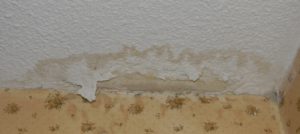 If your Long Island home was constructed in the early 60s, your ceiling and walls are most likely made of some kind of drywall material. Often referred to as wallboard, sheetrock or plasterboard, drywall is made of gypsum-based plaster that is sandwiched between to paper sheets. Depending on the use, gypsum can be mixed with other materials to reduce water absorption, flammability and mold growth.
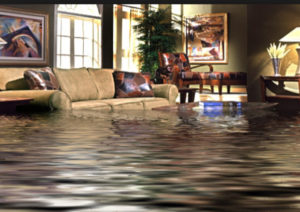 Water damage is something that is every homeowner’s worst nightmare. It can be caused by a plethora of issues including but not limited to clogged drains, broken pipes, malfunctioning appliances, and even storms.
 If you are a homeowner, or even if you have a rental, the possibility of experiencing water damage is always there. You may have a home that was built decades ago, and the materials that were used are likely old and outdated. If you have an office, the same is true, particularly if you have a substantial amount of plumbing in washrooms, bathrooms, and other areas.